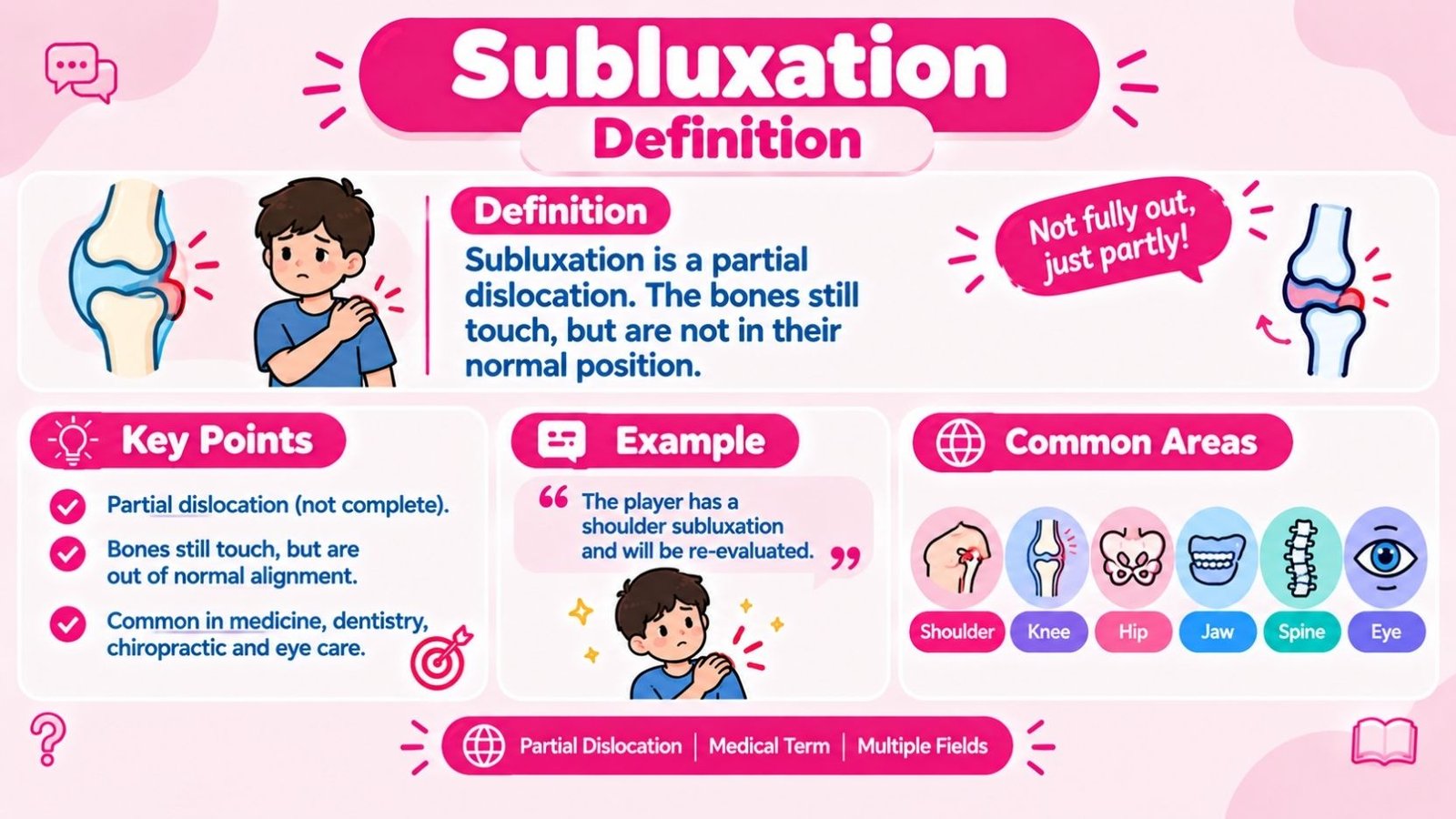
Subluxation is a medical term that means a partial dislocation of a joint. It occurs when the bones move partly out of their normal alignment but still remain in contact. Unlike a complete dislocation, a subluxation may allow the joint to return to its normal position on its own. It can affect areas such as the shoulder, knee, hip, spine, jaw, teeth, and eye lens.
The symptoms and severity of subluxation depend on the affected body part and the cause. Common symptoms include pain, swelling, tenderness, instability, and reduced movement. Treatment may include rest, support, physical therapy, or medical repositioning, while repeated or severe cases may require further treatment.
What Does Subluxation Actually Mean?
Subluxation is a partial dislocation. Merriam-Webster defines it as a partial dislocation, such as of one of the bones in a joint. The bones still touch each other, but they no longer sit in their normal alignment.
The word is mainly medical. It also appears in dentistry, eye care and chiropractic, and the meaning shifts slightly in each field.
| Quick Detail | Information |
| Meaning | A partial dislocation of a joint or organ |
| Word type | Noun |
| Register | Technical and medical, also common in sports news |
| Pronunciation | suhb·luhk·SAY·shun |
| Opposite idea | Full alignment, or a complete dislocation (luxation) at the other extreme |
| Common contexts | Shoulder, kneecap, hip, jaw, spine, teeth, eye lens |
Note: This article covers the term as a general word and its use in several medical settings. It is educational and cannot replace an exam by a licensed clinician.
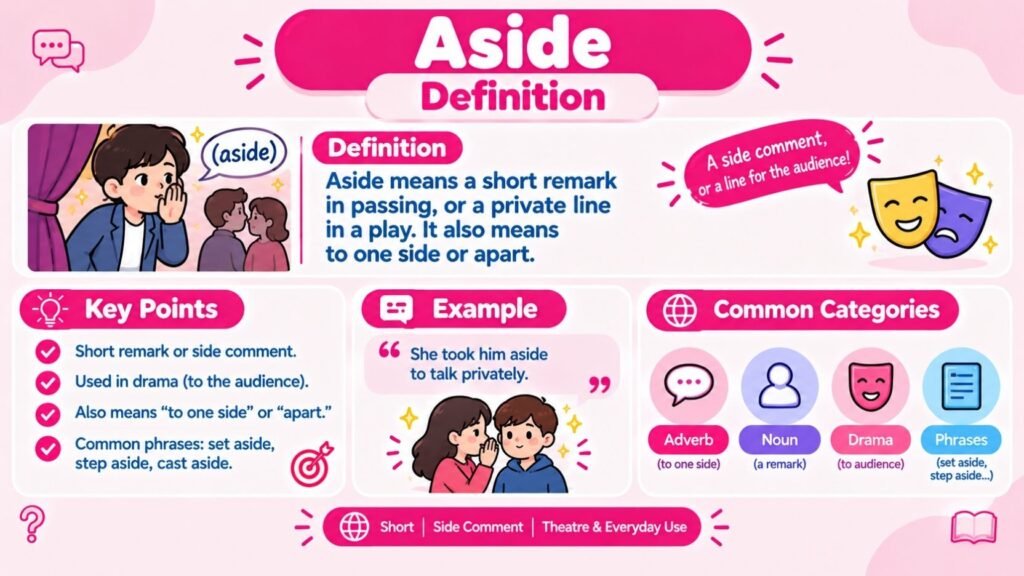
Read More: Aside Definition
So, What Is Subluxation In Simple Terms?
Picture a ball sitting in a cup. A subluxation means the ball has slipped partway out. It is still touching the cup, but it is no longer seated properly.
A full dislocation means the ball has come completely out. Encyclopedia.com describes subluxation as a partial dislocation in which some contact remains between the joint surfaces.
That “some contact remains” detail is the key idea. It is what separates a subluxation from a dislocation.
How Is Subluxation Actually Used in Real Life?
Most Americans first hear the word in sports coverage. Teams often announce a “shoulder subluxation” when a player’s arm has partly slipped out of the socket. Dictionary.com’s example sentences show team officials using the term for a partial dislocation that is less severe than a full one.
In clinics, the word is more precise. Doctors use it in orthopedics, radiology, pediatrics, dentistry and ophthalmology. Each field attaches it to a different body part.
Chiropractors use it too, but in a different and disputed way. That difference matters, so it gets its own section below.
You will see the word in three main settings:
- News and sports: shoulder, wrist, knee and elbow injuries.
- Medical charts and imaging reports: joint position findings.
- Chiropractic care and insurance paperwork: spinal alignment claims.
What Are Some Example Sentences?
Here are original examples across different contexts.
- Sports: “The pitcher left the game with a shoulder subluxation and will be re-examined tomorrow.”
- Pediatric care: “The toddler’s elbow subluxation was corrected in the emergency room within minutes.”
- Dental: “The dentist diagnosed a subluxation because the tooth felt loose but had not moved position.”
- Casual: “My knee feels like it partly slips out sometimes. The doctor called it a patellar subluxation.”
- Imaging report: “X ray shows mild atlantoaxial subluxation.”
Is Subluxation the Same as Dislocation?
No. They describe different degrees of the same kind of problem.
A subluxation is an incomplete or partial dislocation of a joint or organ. A dislocation, also called a luxation, is a complete separation of the joint surfaces.
| Term | Meaning | Typical Outcome | Key Difference |
| Subluxation | Partial displacement, surfaces still touch | Often slips back on its own | Some joint contact remains |
| Dislocation (luxation) | Complete displacement, surfaces no longer touch | Usually needs a clinician to reposition it | No joint contact remains |
| Sprain | Stretched or torn ligament | Joint may stay in place | Ligament injury, not necessarily displacement |
| Fracture | Broken bone | Needs imaging and often immobilization | Bone damage |
A subluxation often returns to its normal position without help from a health professional, unlike a full luxation.
Note: “Often” does not mean “always.” A joint that slips and slides back can still have stretched or torn ligaments, which deserve a medical check.
Can A Subluxation And A Fracture Happen Together?
Yes. Clinicians sometimes use the term “fracture subluxation” or “fracture dislocation” when a broken bone and a displaced joint occur in the same injury.
This happens in places such as the spine, ankle, foot and wrist after strong force. These injuries are more serious than an isolated subluxation and usually need urgent imaging.
Subluxation by itself does not mean a bone is broken. Imaging tells the two apart.
Why Does The Meaning Change By Context?
The core idea is always partial displacement. What gets displaced changes, and so do the stakes.
The medical meaning is the one found in dictionaries. The chiropractic meaning is a separate professional concept, and it is not identical to the medical one.
Below are the main contexts, starting with the most common.
What Is A Subluxation In The Shoulder?
The shoulder is a ball and socket joint. A shoulder subluxation means the ball of the upper arm bone has partly moved out of the socket on the shoulder blade, rather than leaving it completely.
It is one of the most common reasons the word appears in the news.
Common causes:
- Falls or a direct blow to the shoulder
- A previous shoulder injury
- Loose ligaments
Subluxations tend to recur when the ligaments are lax.
Common symptoms:
- A feeling the shoulder moved out of place
- Pain, numbness or weakness
- A sense of looseness or instability
What Is A Subluxation In The Hip?
A hip subluxation means the head of the thighbone is partly displaced from its normal position in the hip socket. Causes include trauma, developmental issues and underlying medical conditions.
In infants, a shallow or loose hip socket can lead to partial displacement. Pediatricians screen for this in newborn checkups. Early detection matters because treatment is simpler in infancy.
Adults can also develop hip subluxation after major injury or with some hip joint disorders.
What Is A Patellar Subluxation?
The patella is the kneecap. It normally glides in a groove at the end of the thighbone.
In a patellar subluxation, the kneecap slips partly out of that groove, usually toward the outside of the knee, and often returns by itself.
Possible contributors include:
- A shallow groove
- Loose ligaments
- Weak or unbalanced thigh muscles
- Direct injury
People often describe a “giving way” feeling. Swelling and pain around the kneecap are common afterward.
What Is Nursemaid’s Elbow?
Nursemaid’s elbow is a well known example of joint subluxation, in which the head of the radius slips from the ligament that holds it.
It mostly affects toddlers and young children. It often happens when a child is pulled by the hand or arm.
The child typically stops using the arm and holds it still. Encyclopedia.com notes that caregivers and even medical staff can mistakenly think the wrist or shoulder is the problem.
A clinician can usually fix it with a quick repositioning maneuver. Do not try to force the arm yourself.
What Is A Spinal Or Vertebral Subluxation?
This is where the word gets complicated, because two different meanings exist.
The medical meaning. A spinal subluxation is a partial displacement of the spinal bones that shows on imaging. Such a subluxation is visible on X rays and can sometimes press on spinal nerve roots, causing symptoms in the areas those roots serve.
The chiropractic meaning. Described in the next section.
What Does Subluxation Mean In Chiropractic?
Chiropractors use “vertebral subluxation” in a broader and less strict way than doctors do.
One commonly cited chiropractic definition describes a complex of functional or pathological joint changes that compromise nerve function and general health. Under this definition, a vertebra does not have to be visibly displaced.
Some government and insurance rules define it differently. For example, an Ohio rule defines it as incomplete dislocation, off centering, misalignment or abnormal spacing of vertebrae that must be demonstrated by X ray or another diagnostic test.
Why this is disputed. The World Health Organization describes a true subluxation as a significant structural displacement that appears on static imaging such as X rays. Wikipedia notes that, unlike true subluxations, the chiropractic vertebral subluxation concept may or may not be visible on X rays, and describes it as pseudoscientific.
Chiropractic groups disagree with that characterization, and the debate continues.
Tip: If a provider tells you that you have a subluxation, ask what they mean by it, whether it appears on imaging, and what evidence supports the treatment plan. Insurance coverage also varies, including under Medicare, so check current rules with your plan.
What Does Subluxation Mean In Dentistry?
In dental injury, subluxation has a specific meaning. A subluxation of a tooth is a traumatic dental injury in which the tooth is more mobile than normal but has not been displaced from its socket.
The tooth feels loose or tender, and the gum around it may bleed slightly. It stays in its normal position.
Treatment is usually conservative. A dentist may recommend soft foods, careful cleaning and follow up checks to see whether the tooth nerve stays healthy. Sometimes a flexible splint is used. Always see a dentist after mouth trauma.
What Is Subluxation of the Jaw (TMJ)?
The temporomandibular joint (TMJ) connects the jaw to the skull. In a jaw subluxation, the rounded end of the jaw bone slides forward past its normal resting place when the mouth opens wide, then often slides back.
Yawning, laughing, dental procedures or extreme mouth opening can trigger it. People with loose joints may have it repeatedly.
If the jaw locks open and will not close, that is a full dislocation. It needs prompt medical care.
What Is Atlantoaxial Subluxation?
The atlas (C1) and axis (C2) are the top two bones of the neck. Atlantoaxial subluxation means those two bones have shifted out of normal alignment.
It can follow neck trauma, throat or neck infections, or conditions that loosen the ligaments there, such as rheumatoid arthritis and Down syndrome.
This type needs careful attention because the spinal cord runs through that area. Warning signs include:
- Severe neck pain or stiffness
- Tingling or numbness in arms or legs
- Weakness, clumsiness or trouble walking
- Bladder or bowel changes
Important: Sudden weakness, numbness or loss of control after a neck injury is an emergency. Call 911.
What Is Subluxation Of The Eye Lens?
In the eye, lens subluxation means the lens has shifted partly out of its normal position. The tiny fibers that hold the lens in place are weakened or broken.
Causes include eye injury and inherited connective tissue conditions such as Marfan syndrome. It can blur vision or cause double vision.
An eye doctor diagnoses it and decides whether glasses, monitoring or surgery is best.
What About Rib Subluxation?
People sometimes say a rib is “out of place.” In medical use, rib subluxation refers to a rib that has partly shifted at one of its joints, usually where it meets the spine.
Chest pain, however, has many causes. Some are serious, including heart and lung problems. Never assume rib pain is only a joint problem. Get checked, especially if you have shortness of breath, chest pressure or pain spreading to your arm or jaw.
What Are the Common Symptoms of Subluxation?
Symptoms depend on the joint, but several patterns repeat.
- Pain at or near the joint
- Swelling or bruising
- A feeling the joint “slipped” or “caught”
- Instability or giving way
- Reduced range of motion
- Tenderness when touched
- Numbness or tingling if a nerve is irritated
Some subluxations cause little pain. The joint may pop back before you notice much. That does not mean it is harmless, especially if it happens again.
What Causes A Subluxation?
Most causes fall into a few groups.
- Injury: falls, sports contact, car accidents, sudden twisting or pulling.
- Loose ligaments: some people have naturally flexible joints or a genetic connective tissue condition. Spinal and joint subluxations are common in Ehlers Danlos syndrome.
- Earlier injuries: a joint that has slipped before is more likely to slip again.
- Structural differences: such as a shallow joint socket or kneecap groove.
- Disease: arthritis, infection or inflammation can weaken the supports around a joint.
- Muscle weakness or imbalance: muscles help hold joints stable.
How Is Subluxation Diagnosed?
Diagnosis starts with a history and a physical exam. For the shoulder, doctors check your medical history and symptoms, examine the joint, and may order X rays to confirm the diagnosis and look for fractures.
Depending on the location, clinicians may add MRI or CT scans to look at ligaments, cartilage or the spine. Dental injuries involve a dental exam and dental X rays. Eye problems need a specialist eye exam.
How Is Subluxation Treated?
Treatment depends on the joint, severity and whether it keeps happening.
Common first steps:
- Rest and avoiding the activity that caused it
- Ice and anti inflammatory medicine, if your clinician agrees
- A sling, brace or splint for support
- Gentle repositioning by a clinician, when needed
Longer term care:
- Physical therapy to strengthen the muscles around the joint
- Balance and stability training
- Activity changes to protect the joint
- Surgery for repeated subluxations that do not improve with therapy
For shoulder subluxation, treatment typically includes rest, ice and anti inflammatory medicine, with physical therapy for strengthening to reduce the chance of recurrence.
Tip: Do not keep testing a joint by repeatedly forcing it back and forth. That can stretch the supporting tissues further.
When Should You See A Doctor?
Get prompt medical care if you notice:
- A visible deformity
- Severe pain or rapid swelling
- Inability to move the joint
- Numbness, tingling or a cold, pale limb
- A joint that keeps slipping
- Symptoms after a neck or head injury
Call emergency services for neck injuries with weakness or numbness, an obviously deformed joint with loss of feeling, or chest pain.
How Do You Pronounce Subluxation?
The stress falls on the third syllable: suhb·luhk·SAY·shun.
Merriam-Webster gives the dictionary spelling as sub·lux·a·tion with the main stress on the “a” syllable. Dictionary.com shows the respelling suhb luhk sey shuhn.
Say it in four beats: sub, luck, say, shun.
Where Does The Word Come From?
Subluxation joins the Latin prefix “sub,” meaning “under” or “slightly,” with luxation, the medical word for a joint dislocation. Dictionary.com traces it to New Latin subluxatio and dates it to the late 1600s.
Merriam-Webster lists the first known use as 1634. Dictionaries differ slightly on the date, which is common with older technical terms.
What Does Subluxation Not Mean?
A few common misunderstandings come up.
- It does not mean a broken bone. It describes joint position, not a fracture.
- It does not mean the same thing as dislocation. Some contact remains.
- It is not always minor. Neck subluxations can threaten the spinal cord.
- It is not the same as a sprain. A sprain is a ligament injury, though the two often occur together.
- The chiropractic version is not identical to the medical version. One needs a visible displacement, the other may not.
What Words Mean Something Similar To Subluxation?
- Partial dislocation: the plain English equivalent.
- Incomplete dislocation: another common wording.
- Luxation: a complete dislocation, the stronger term.
- Dislocation: the general word, usually meaning complete.
- Joint instability: a broader term for a joint that does not stay stable.
Subluxation and instability are related but not interchangeable. Instability describes how the joint behaves. Subluxation describes a specific position.
Does Subluxation Have A French Equivalent?
Yes. French uses the same spelling, subluxation, to mean a luxation incomplète, or incomplete dislocation. The related word luxation means dislocation. The pronunciation differs, with a French accent and stress pattern.
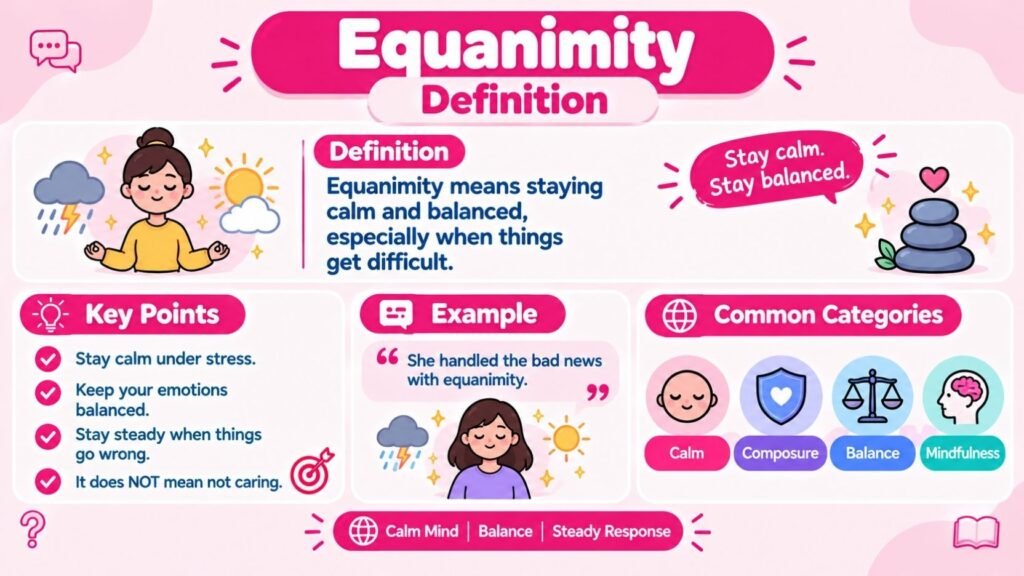
Read More: Equanimity Definition
When Should You Use The Word Subluxation?
Use it when you want to be exact about a partial displacement.
- In medical or sports writing: it is the correct term.
- In everyday talk: “partial dislocation” is easier to follow.
- In chiropractic settings: be clear about which meaning you intend.
Tip: If your audience may not know the word, give the plain explanation in the same sentence.
Last Words
Subluxation means a partial dislocation. The bones stay in contact, but they are no longer correctly aligned. The term applies to shoulders, knees, hips, jaws, necks, teeth and eye lenses.
In chiropractic, the word has a broader and disputed meaning. If a joint slips, hurts or keeps giving way, get it checked.
Frequently Asked Questions
What is the simple definition of subluxation?
Subluxation is a partial dislocation of a joint. The bone ends are shifted out of normal alignment but still touch. It can happen in many joints, including the shoulder, kneecap, hip and spine.
What is the difference between subluxation and dislocation?
In a dislocation, the joint surfaces fully separate. In a subluxation, they only partly shift and keep some contact. Subluxations often slip back on their own, while dislocations usually need a clinician’s help.
Is a subluxation serious?
It depends on location. A shoulder or kneecap subluxation is often manageable with rest and rehab. Neck subluxations can press on the spinal cord and need urgent care. Repeated episodes deserve evaluation.
Can a subluxation heal on its own?
The joint often returns to position by itself, but the injured ligaments may need time and rehab. Skipping care can lead to repeat episodes. A clinician can tell whether more treatment is needed.
What does subluxation mean in chiropractic?
Chiropractors use it for a spinal joint problem they believe affects nerve function. Unlike the medical meaning, it may not involve visible displacement. Medical sources dispute the concept, so ask your provider what they mean.
What does subluxation mean in dentistry?
A subluxated tooth is loose or tender after injury but has not moved out of its normal position. A dentist should evaluate it. Treatment usually involves monitoring, soft foods and sometimes a splint.
What are the symptoms of a shoulder subluxation?
Typical signs include a sense the shoulder slipped, looseness, pain, weakness and sometimes numbness. Symptoms can come and go. Repeated episodes suggest loose ligaments or earlier injury.
How is a subluxation treated?
Treatment ranges from rest, ice and bracing to physical therapy. Repositioning may be needed in some cases. Surgery is considered when subluxations repeat despite rehab.
What is atlantoaxial subluxation?
It is a shift between the top two neck bones, C1 and C2. It can follow trauma, infection or conditions like rheumatoid arthritis. Because it can affect the spinal cord, it needs prompt evaluation.
How do you pronounce subluxation?
Say it suhb·luhk·SAY·shun, with the stress on the third syllable. Merriam-Webster and Dictionary.com both offer audio or respelling.
What does lens subluxation mean?
It means the eye’s lens has shifted partly out of place because its supporting fibers are weak or damaged. Causes include trauma and inherited connective tissue conditions. An eye doctor should diagnose it.

Laiba Rahman is a writer and researcher behind Definixaa, dedicated to exploring words, meanings, terms, concepts, and everyday knowledge. Through clear and well-researched explanations, her goal is to help readers understand unfamiliar ideas quickly and discover useful information with ease.